Experience category: Family experiences

  • Zanzibar Aquarium and Caves

    Zanzibar sits on ancient coral rock, and where the rock has collapsed inward the island has opened up a set of natural freshwater caves. Three of them are open to visitors and each has its own character: Kuza Cave near Jambiani, tied to Swahili cultural heritage; Maalum Cave near Paje, a deep blue swimming pool under an open roof; and Salaam Cave at Kizimkazi, small, dark and lit by candlelight.

    The water in the caves is fresh, cool and still, filtered through the coral rock. Swimming in them is a different experience from the ocean and a welcome break from the heat.

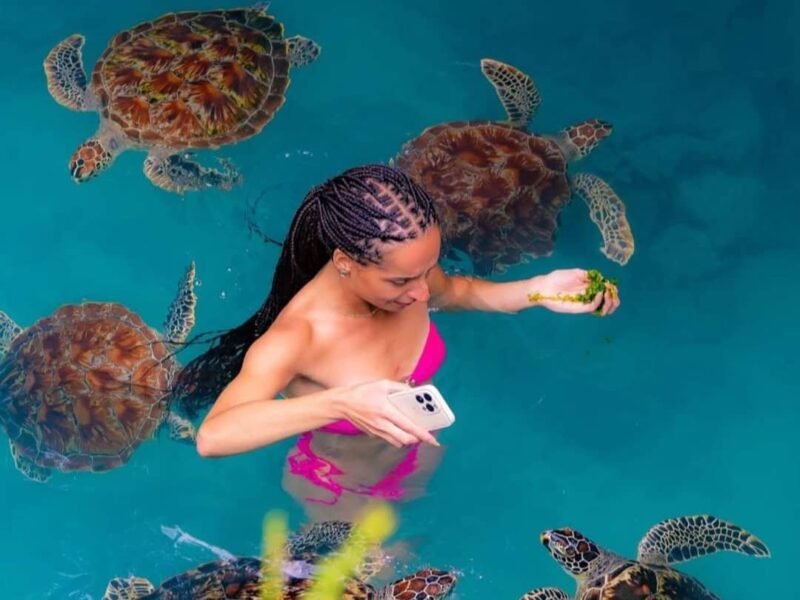
    The tour pairs the caves with a visit to the natural turtle aquarium, a large tidal pool set in the coral rock behind the beach. It began as a rehabilitation and study site for marine turtles and now works to protect the local population. A keeper explains the work, and you are able to feed the turtles seaweed or get into the pool for a closer encounter.

    The visit takes two to three hours and works well as a half-day for guests staying on the east or south coast.

  • Nungwi Village Tour

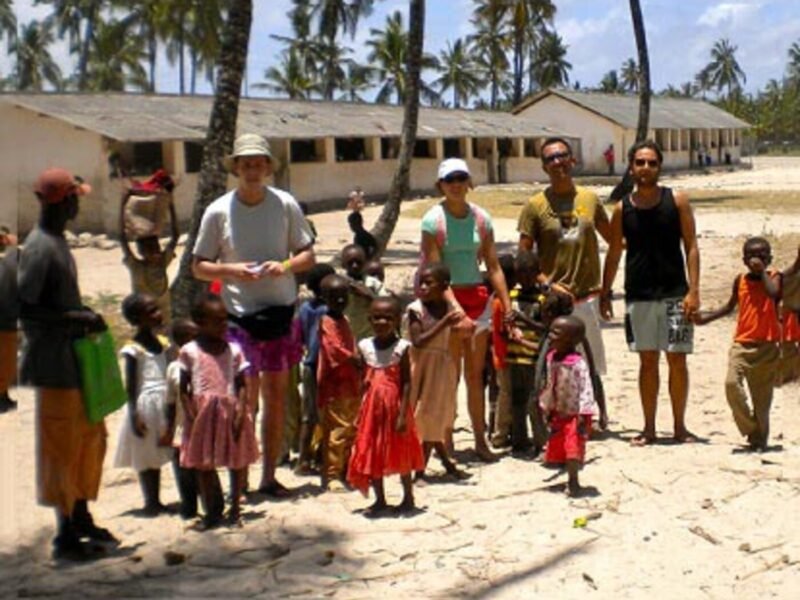
    Nungwi sits at the northern tip of Unguja and is the last place on the island where ocean-going dhows are still built by hand on the beach. Local people call the village experience the Thousand Hands of Zanzibar, because everything you see here is made by hand: the boats, the rope, the mats, the nets and the fish traps.

    The visit is a guided walk through the village at an easy pace. You meet the boat builders working on hulls under the palms, and see how a dhow is shaped without plans, using knowledge passed down through families. You watch coir rope being twisted, palm leaf being woven into mats and baskets, and the fishermen bringing in and sorting the catch.

    Your guide introduces you to the people you meet, translates and explains the daily rhythm of a fishing village: how the tide sets the working day, how the co-operative works and how the crafts feed both local use and the tourist trade.

    The tour takes about half a day and includes refreshments, bottled water and, on the extended version, a picnic lunch of traditional village food. It is one of the most straightforward ways to meet Zanzibaris rather than only see the island.

  • Zanzibar Cooking Class

    Zanzibari food is the clearest record of the island’s history. Indian spice, Arab technique, Portuguese ingredients and African staples meet in dishes like pilau, biryani, urojo soup and coconut fish curry.

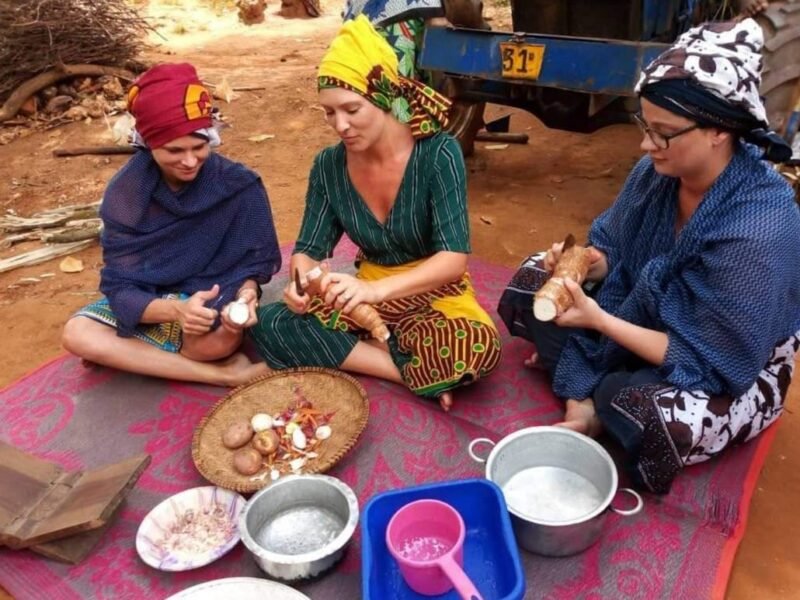
    This class puts you in the kitchen rather than at the table. A local chef takes you through ingredient selection, preparation, the order in which spices go into a dish and why, and how the flavours are balanced at the end. The teaching is hands-on and unhurried, and the group stays small enough for everyone to cook rather than watch.

    Beyond the cooking, the session includes the wider setting: Swahili dress, local music and dance, and conversation with the family hosting you. You then sit down and eat what you have made.

    The class works for complete beginners and for confident cooks. It is a good option for a rainy afternoon, for families, and for anyone who wants to take a genuine skill home rather than a souvenir.

  • Sea Turtles Sanctuary

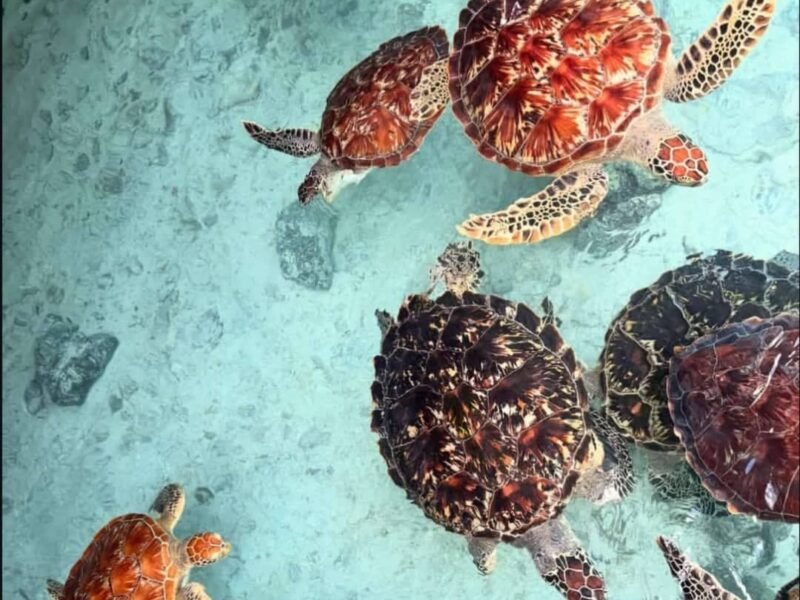
    Behind the beach in Nungwi, a large natural tidal pool sits in the coral rock, connected to the sea and refreshed by every tide. It was set up to rehabilitate and study marine turtles, and it now works to protect the local population, taking in animals caught in nets or injured and returning healthy turtles to the sea.

    Visitors are able to buy seaweed from the keepers and feed the turtles from the edge, or get into the pool and swim alongside them. The turtles are unbothered by people and come straight to the food.

    The keepers explain the life cycle of green and hawksbill turtles, the threats they face, the nest protection programme along the coast and what happens at release. Their explanation is the part most visitors remember.

    The site is small and the visit takes about an hour, so it combines well with a Nungwi village tour or a north coast beach day.

  • Jozani Forest and Butterfly Centre

    This half-day trip pairs Zanzibar’s only national park with the community butterfly project next door, and covers most of the island’s land wildlife in a single morning.

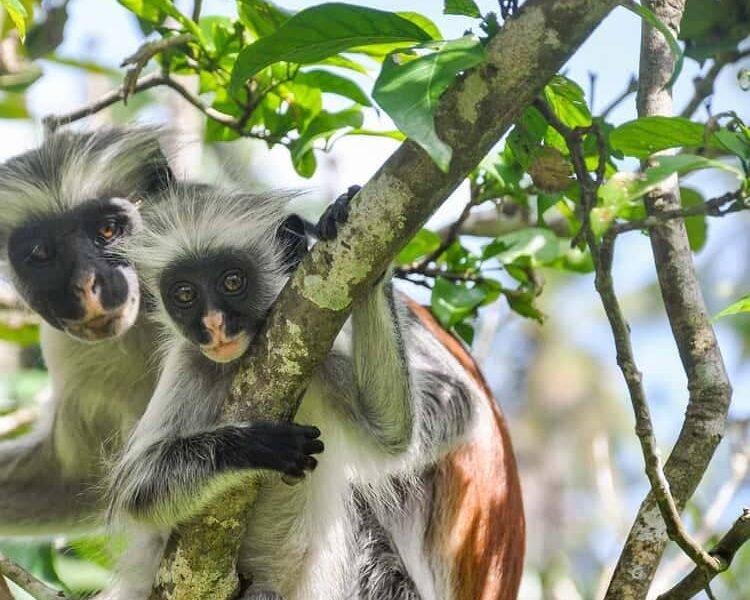
    Jozani Chwaka Bay National Park comes first. The forest trails carry you into the territory of the endemic Zanzibar red colobus monkey, found nowhere else on earth. Sykes’ monkeys, bush babies, Ader’s duiker, butterflies and forest birds share the same trees, and your guide finds them and explains how the conservation programme works.

    The Zanzibar Butterfly Centre sits beside the park entrance. It is a community project: local farmers rear butterfly pupae for the enclosure and for export, which gives villages an income from keeping the forest standing. Inside the netted garden dozens of native species fly around you, and the keepers show you chameleons, bush babies, elephant shrews and other small residents.

    The combination works particularly well for families and for anyone with an interest in conservation, since both sites explain what protecting the forest actually pays for.