Experience category: Culture and history

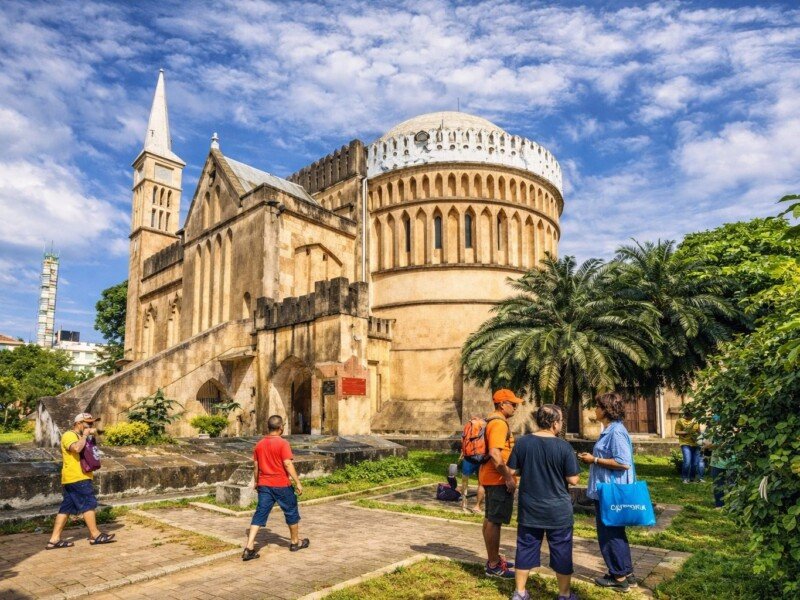
  • Stone Town Historical Tour

    Stone Town is the cultural and historical heart of Zanzibar, and the oldest continuously inhabited quarter on the island. Its lanes were built from coral stone through the 19th and 20th centuries, and in 2000 the whole quarter was inscribed as a UNESCO World Heritage Site.

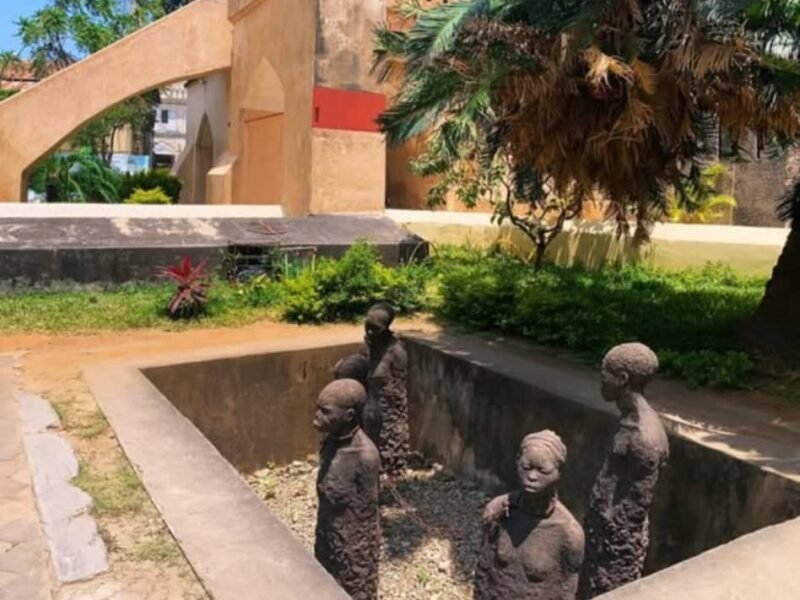
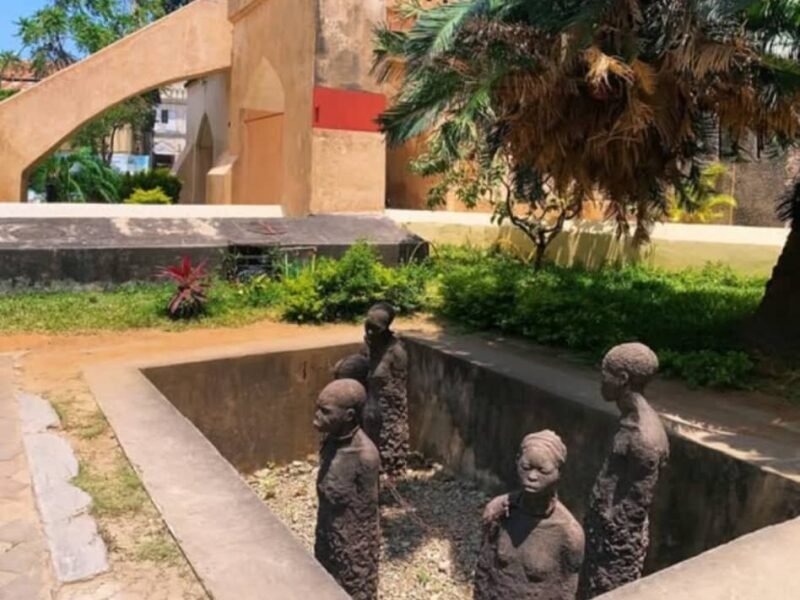
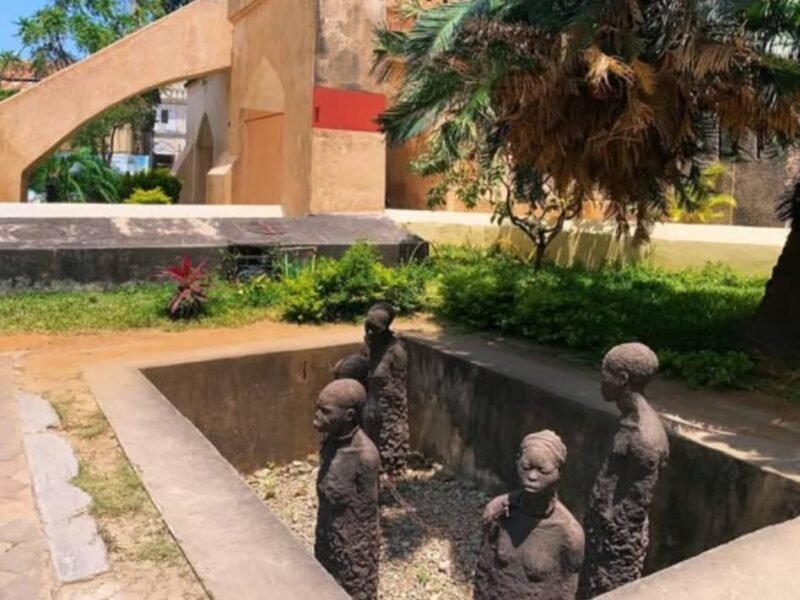
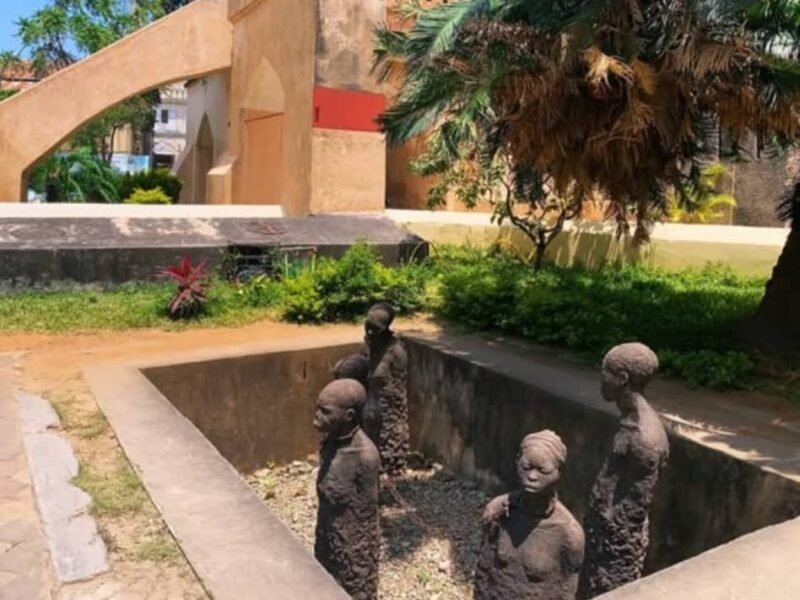
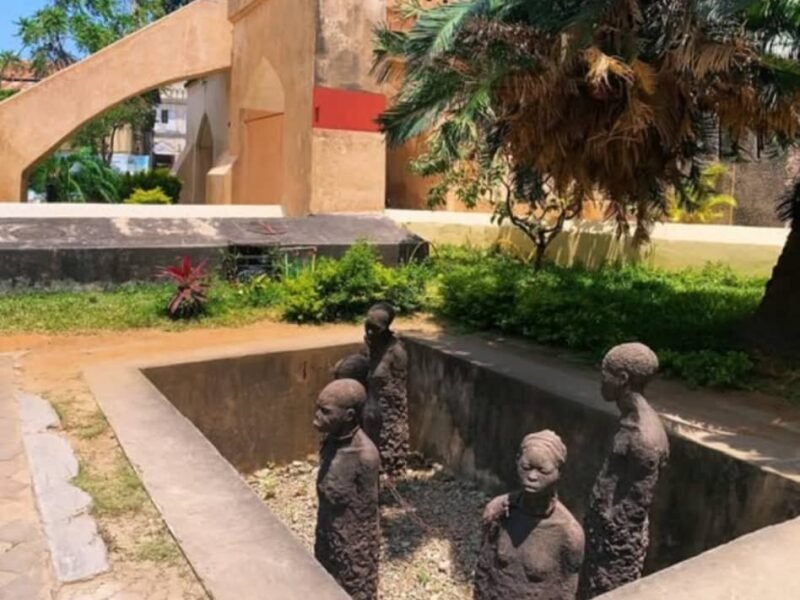
    Arab, African, Indian and European influences sit side by side here. Streets run too narrow for cars, so the town is best seen on foot, and mosques, churches and Hindu temples stand within a few minutes of one another. Your guide leads you through the old slave market and its memorial, past the House of Wonders and the Old Fort, along the seafront to the former British and German consulates, and into Darajani market, where the produce, fish and spice stalls show how the town feeds itself.

    Along the way you hear the stories of the people who shaped the island: Princess Salme, who left the Sultan’s palace and wrote her memoirs in Germany, and Farrokh Bulsara, born in Stone Town and later known to the world as Freddie Mercury. The walk ends near Forodhani Gardens, which comes alive after sunset as one of the best street food markets in East Africa.

    The tour runs as a private walk with your own guide, or as a small shared group. Either way the pace stays relaxed, with time to stop, ask questions and photograph the carved doors Stone Town is known for.

  • Zanzibar Spice Farm Tour

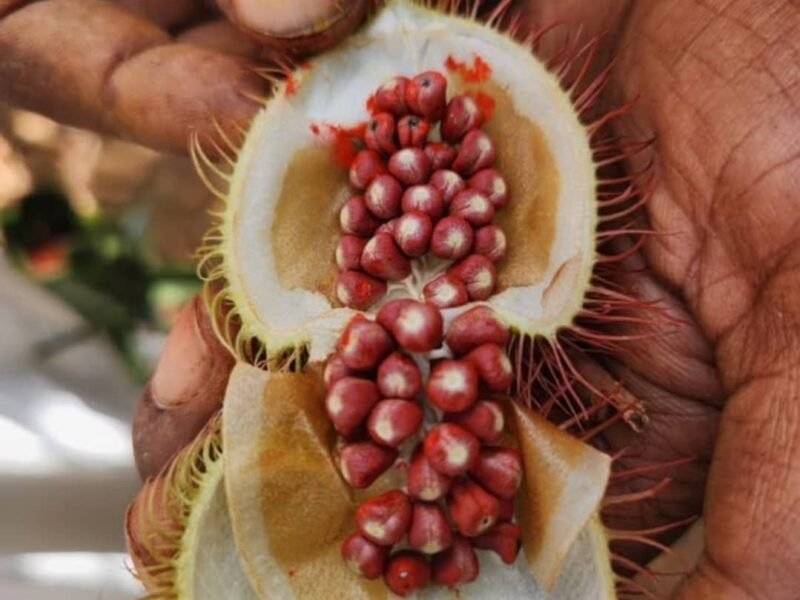
    Zanzibar has been called the Spice Island for two centuries, and a morning on a working farm shows you why. Families here have grown spices for generations, and the plots outside town still produce cloves, vanilla, nutmeg, cardamom, cinnamon, black pepper, lemongrass and turmeric alongside jackfruit, papaya, coconut and citrus.

    This is a walking tour rather than a museum visit. Your guide, who grew up on this land, pulls a root, scrapes a bark or splits a pod and hands it to you. You smell each spice before you are told its name. You learn which plants go into the local dishes you have been eating, which go into herbal remedies still used across the island, and which appear in weddings and ceremonies.

    Along the way the farm team demonstrates coconut climbing and weaving, and lays out a tasting of seasonal tropical fruit. Most guests leave with a small bag of spices bought directly from the growers, at farm prices rather than market prices.

    The farm sits a short drive from Stone Town, so this excursion combines easily with a Stone Town walk, Prison Island or Jozani Forest to make a full day.

  • Prison Island Tour

    Changuu Island lies about thirty minutes by boat from Stone Town, and almost everyone knows it as Prison Island. The name is a small historical joke. The island was bought by General Lloyd Mathews and a prison was built there in 1893, but no prisoner was ever held in it. Instead the buildings became a quarantine station during yellow fever outbreaks, and the ruins still stand today.

    What draws visitors now is the tortoise sanctuary. A colony of Aldabra giant tortoises, originally a gift from the Seychelles, lives on the island under the care of a conservation team. The oldest animals are well over a century old. You are able to walk among them, feed them and photograph them at close range with a keeper present.

    After the sanctuary and the prison ruins, the rest of the visit belongs to the water. The island is ringed by a shallow reef and a small white beach, so there is time to snorkel, swim or sit in the shade before the boat returns to Stone Town.

    Prison Island runs as a half-day trip and pairs naturally with Stone Town, the spice farm or Nakupenda Sandbank for a full day.

  • Zanzibar Quad Bike Tour

    Most visitors see Zanzibar from a minibus on the tarmac road. A quad takes you off it. The route runs on sand tracks and field paths through rice paddies, banana and sugar cane plots and small villages in the island’s interior, on ground no ordinary vehicle reaches.

    The morning opens at the quad base with a safety briefing and a lesson on the controls. The machines are 450cc automatics, so no gear changing is involved, and beginners are common. You ride solo or two up with a companion.

    An English-speaking guide leads the group, sets the pace and stops regularly for photographs, questions and a stretch. One stop is at a village, where you meet people going about their day and see rural Zanzibar as it is, away from the beach hotels.

    The ride takes about half a day including the briefing. Complimentary fruit and soft drinks are served, and safety equipment is provided.

  • Nungwi Village Tour

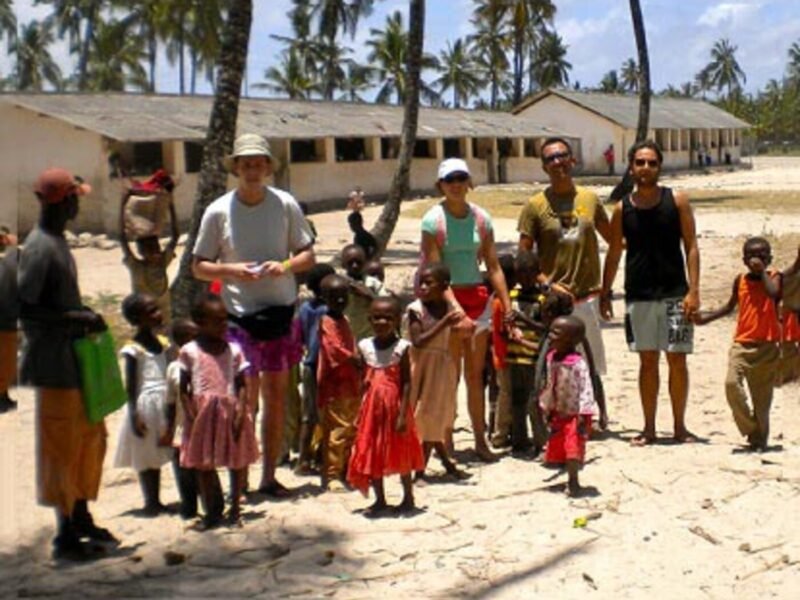
    Nungwi sits at the northern tip of Unguja and is the last place on the island where ocean-going dhows are still built by hand on the beach. Local people call the village experience the Thousand Hands of Zanzibar, because everything you see here is made by hand: the boats, the rope, the mats, the nets and the fish traps.

    The visit is a guided walk through the village at an easy pace. You meet the boat builders working on hulls under the palms, and see how a dhow is shaped without plans, using knowledge passed down through families. You watch coir rope being twisted, palm leaf being woven into mats and baskets, and the fishermen bringing in and sorting the catch.

    Your guide introduces you to the people you meet, translates and explains the daily rhythm of a fishing village: how the tide sets the working day, how the co-operative works and how the crafts feed both local use and the tourist trade.

    The tour takes about half a day and includes refreshments, bottled water and, on the extended version, a picnic lunch of traditional village food. It is one of the most straightforward ways to meet Zanzibaris rather than only see the island.

  • Zanzibar Cooking Class

    Zanzibari food is the clearest record of the island’s history. Indian spice, Arab technique, Portuguese ingredients and African staples meet in dishes like pilau, biryani, urojo soup and coconut fish curry.

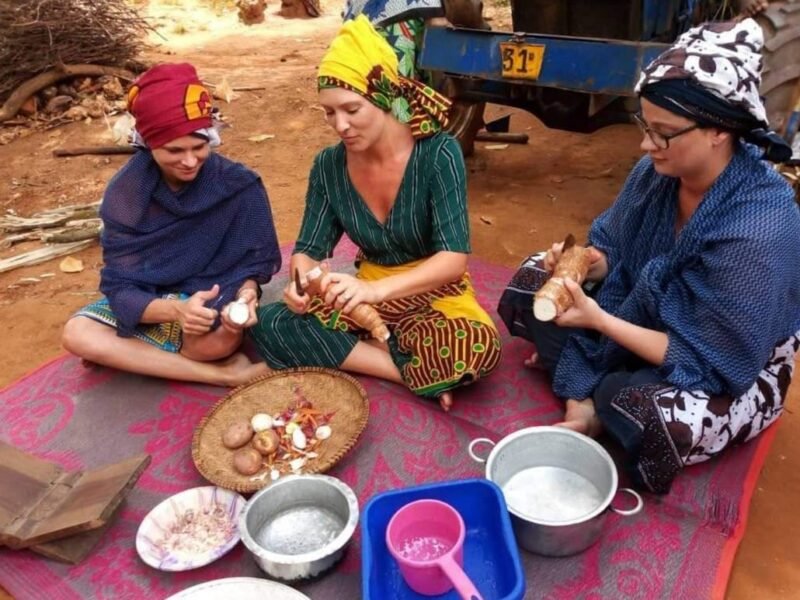
    This class puts you in the kitchen rather than at the table. A local chef takes you through ingredient selection, preparation, the order in which spices go into a dish and why, and how the flavours are balanced at the end. The teaching is hands-on and unhurried, and the group stays small enough for everyone to cook rather than watch.

    Beyond the cooking, the session includes the wider setting: Swahili dress, local music and dance, and conversation with the family hosting you. You then sit down and eat what you have made.

    The class works for complete beginners and for confident cooks. It is a good option for a rainy afternoon, for families, and for anyone who wants to take a genuine skill home rather than a souvenir.

  • Stone Town and Prison Island

    The two best-known half-day excursions in Zanzibar, joined into one full day with a single transfer. It is the most popular combination we run, and the natural choice for anyone with only one free day.

    The morning belongs to Stone Town. Your guide walks you through the coral stone lanes of the UNESCO World Heritage Site: the former slave market and its memorial, the Old Fort, the House of Wonders on the seafront, the Sultan’s Palace and the produce stalls of Darajani market. Along the way you hear the stories of Princess Salme and Farrokh Bulsara, the boy from Stone Town later known as Freddie Mercury.

    In the afternoon you take the boat out to Changuu Island. Despite the name, no prisoner was ever held there. The building went up in 1893 and became a quarantine station instead. Today the island is known for its colony of Aldabra giant tortoises, some over a century old, and you are able to walk among them and feed them with a keeper present.

    The island is ringed by a shallow reef and a small white beach, so the day ends with time to snorkel or swim before the boat returns to Stone Town.

  • Stone Town and Spice Farm

    One of our most requested full-day combinations, and a good introduction to what makes Zanzibar different from any other beach destination.

    The morning covers Stone Town on foot with your own guide: Darajani market, the former slave market, the Old Fort, and the seafront views of the House of Wonders and the Sultan’s Palace. Your guide fills in the people behind the buildings, from Princess Salme to Farrokh Bulsara, and helps you bargain in the craft and souvenir shops tucked into the narrow lanes.

    After a morning of history the afternoon explains the island’s other name. A short drive from Stone Town brings you to the spice farms, where pepper, cloves, nutmeg, vanilla, cinnamon, cardamom and turmeric grow alongside tropical fruit. This is a walking tour on a working farm: your guide pulls, scrapes and splits the plants as you go, so you smell each spice before you are told what it is.

    You finish knowing how the spices you have been eating all week are grown, used in local medicine and used in ceremony, and usually with a bag of them bought at farm prices.

  • Stone Town and Jozani Forest

    Wildlife and history in one day, running the forest first while the monkeys are active and the day is still cool.

    You arrive at Jozani Chwaka Bay National Park in the mid-morning. The trails lead into the territory of the endangered Zanzibar red colobus monkey, a species living nowhere else on earth. Bush babies, Ader’s duiker, Sykes’ monkeys, butterflies and forest birds share the same trees. Your guide finds the troops, explains their behaviour and takes you across the mangrove boardwalk on the edge of Chwaka Bay.

    The afternoon moves to Stone Town. This UNESCO World Heritage Site carries African, Indian, European and Arabic influences in a few square kilometres of coral stone lanes. Your guide leads you past Darajani market, the former slave market and Forodhani Gardens, with views over the House of Wonders, and fills in the stories of Princess Salme, Farrokh Bulsara and Bi Kidude.

    The day finishes at the Old Fort with time for craft and souvenir shopping before the drive back to your hotel.

  • Prison Island, Nakupenda Sandbank and Stone Town

    Three of the island’s signature experiences in a single day. It is the busiest tour we run and the best answer for anyone with one day and a long list.

    You start at Forodhani Park in Stone Town and take the boat across to Changuu Island. There you walk the 1893 prison and quarantine buildings and meet the colony of Aldabra giant tortoises, with time to feed and photograph them among the island’s trees and birdlife.

    The dhow then sails on to Nakupenda Sandbank, a stretch of white sand surrounded by turquoise water. You swim, snorkel and relax while a fresh seafood barbecue is prepared on the beach and served with tropical fruit and soft drinks. Free photographs of the day are included.

    In the afternoon the boat returns to Stone Town for a guided walking tour: the Old Fort, the House of Wonders, the Slave Market Museum, the cultural sites and the local markets. The day ends with the transfer back to your hotel.

  • Stone Town and Dhow Sunset Cruise

    Combining the Stone Town walking tour with a dhow sunset cruise gives you the best of the town and the water in one afternoon and evening, and finishes with the part most day tours miss.

    The walk starts in the afternoon, when the light in the old lanes is at its best. Your guide covers the former slave market, the Old Fort, the House of Wonders and the seafront, mixing the history with the stories of the people who lived here, and helps you bargain in the craft shops.

    As the afternoon closes you board a traditional dhow. The boat heads out along the coast and turns so everyone has a clear view as the sun goes down over the water. Soft drinks and seasonal fruit are served on board.

    Back on land the day ends at Forodhani Gardens, where the night food market sets up along the seafront: grilled seafood, Zanzibar pizza, sugar cane juice and a crowd of local families. Missing it would be a shame, and this is the tour built around not missing it.