Welcome to Zanzibar, the Spice Islands.
Zanzibar is an archipelago off the East African coast made up of two main islands, Unguja and Pemba, surrounded by many smaller ones. Unguja is the island most people mean when they say Zanzibar, and it is where our tours run.
Here you walk paths worn by generations of traders and sea travellers over many centuries. The islands hold a romantic past, stories of famous explorers, hotels and beaches worth the journey on their own, and a living culture you meet the moment you step outside the resort.
A short history
From the early eighth century Zanzibar became a base for Arab merchants trading with the African mainland and the wider world. In the eighteenth century the islands came under the Sultan of Oman, and in 1832 the Sultan moved his court here, making Zanzibar the capital of a sultanate spanning Oman and East Africa. In 1837 the United States established a consulate on the island ahead of any European country.
Zanzibar was declared a British protectorate in 1890, with the Sultan retained in a ceremonial role. Independence came in December 1963. A few weeks later, on 12 January 1964, the government was overthrown in the Zanzibar Revolution. Shortly afterwards Zanzibar signed a union with Tanganyika, forming the United Republic of Tanzania on 26 April 1964.
The islands today
Zanzibar is a semi-autonomous part of Tanzania with its own president and legislature. The population is predominantly Muslim, Kiswahili is the everyday language and English is widely spoken in tourism. The economy runs on tourism, spice, fishing and seaweed farming.
The beaches
Zanzibar is known for its beaches, which draw honeymooners, couples, families and adventure travellers. There are many beaches and sandbanks across the archipelago. The best known are Kendwa and Nungwi on the north coast, where the sea stays swimmable at any tide, Paje and Jambiani on the south-east, Matemwe and Kiwengwa on the east, Michamvi on the peninsula and Mtende in the quiet south.
Practical basics
- Getting here. Abeid Amani Karume International Airport receives direct flights from several regional and international hubs, plus connections through Dar es Salaam. Ferries run from Dar es Salaam to Stone Town.
- Language. Kiswahili. English is widely spoken in tourism.
- Currency. Tanzanian shilling. US dollars are widely accepted. Bring notes dated 2009 or later.
- Dress. Beachwear on the beach. Shoulders and knees covered elsewhere.
- Tides. The tide shapes the day on most of the island. Ask us before you book a coast.
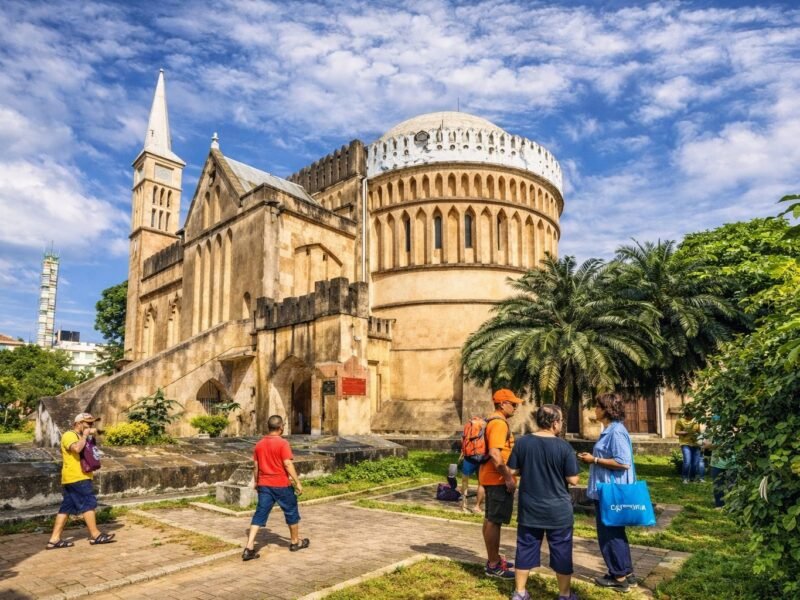 Stone Town
UNESCO World Heritage Site and the island's cultural heart
Stone Town
UNESCO World Heritage Site and the island's cultural heart
 Nungwi
Swimmable at every tide, and the busiest beach on the island
Nungwi
Swimmable at every tide, and the busiest beach on the island
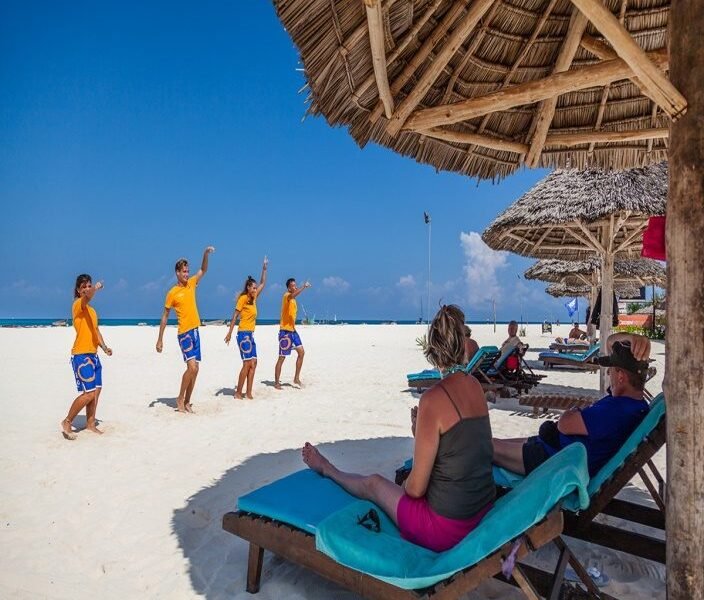 Kendwa
The best swimming beach and the best sunsets
Kendwa
The best swimming beach and the best sunsets
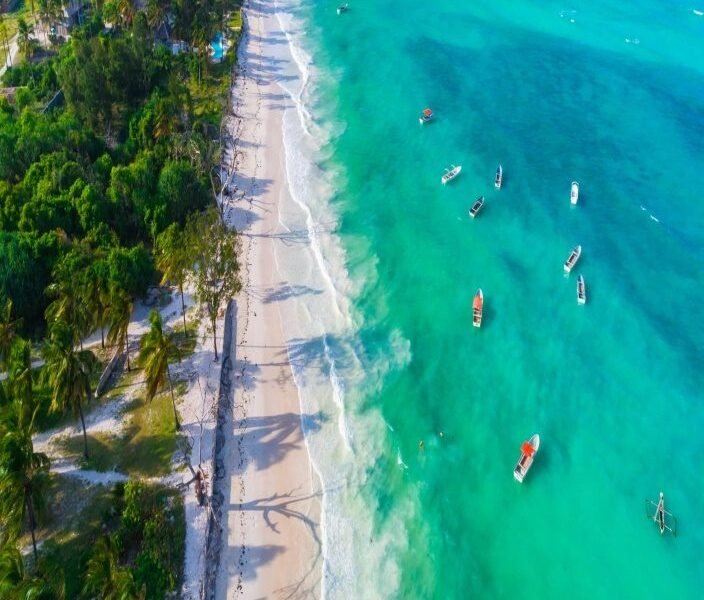 Paje
Zanzibar's kitesurfing capital
Jambiani
A working fishing village on a turquoise lagoon
Paje
Zanzibar's kitesurfing capital
Jambiani
A working fishing village on a turquoise lagoon
 Matemwe
The base for Mnemba atoll
Kiwengwa
Wide east coast sand and full-service resorts
Matemwe
The base for Mnemba atoll
Kiwengwa
Wide east coast sand and full-service resorts
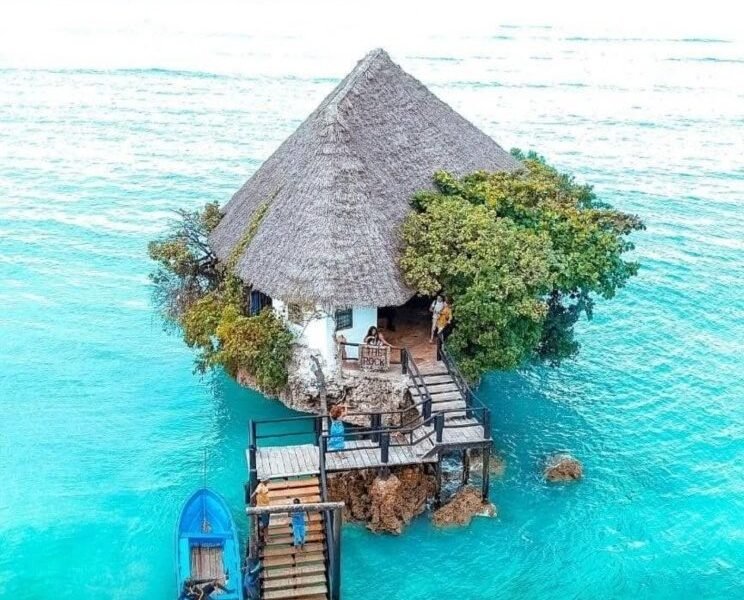 Michamvi
Sunsets on the east coast, and The Rock
Michamvi
Sunsets on the east coast, and The Rock
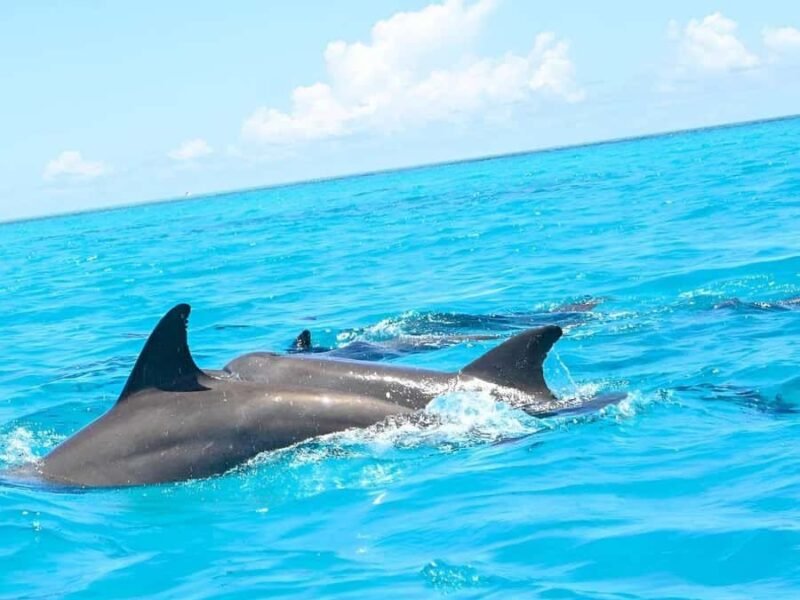
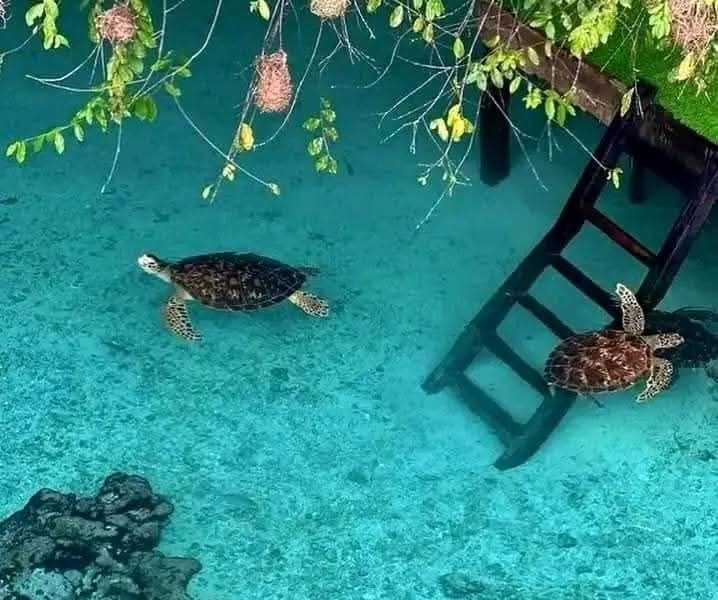 Kizimkazi
Dolphins, the oldest mosque and a candlelit cave
Kizimkazi
Dolphins, the oldest mosque and a candlelit cave
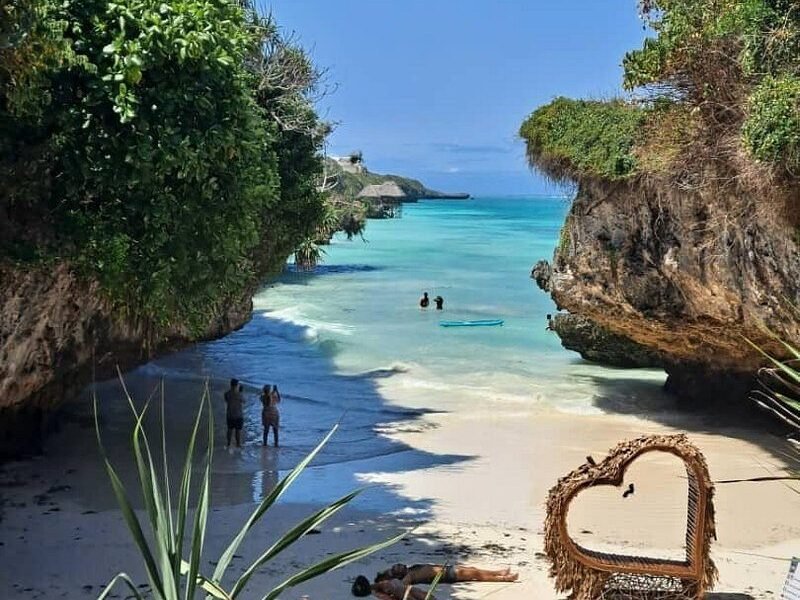 Mtende
A cliff-framed cove with almost nobody in it
Mtende
A cliff-framed cove with almost nobody in it