Stone Town
UNESCO World Heritage Site and the island's cultural heart
- Location West coast of Unguja, Zanzibar City
- From the airport About 15 minutes from Abeid Amani Karume International Airport
Overview
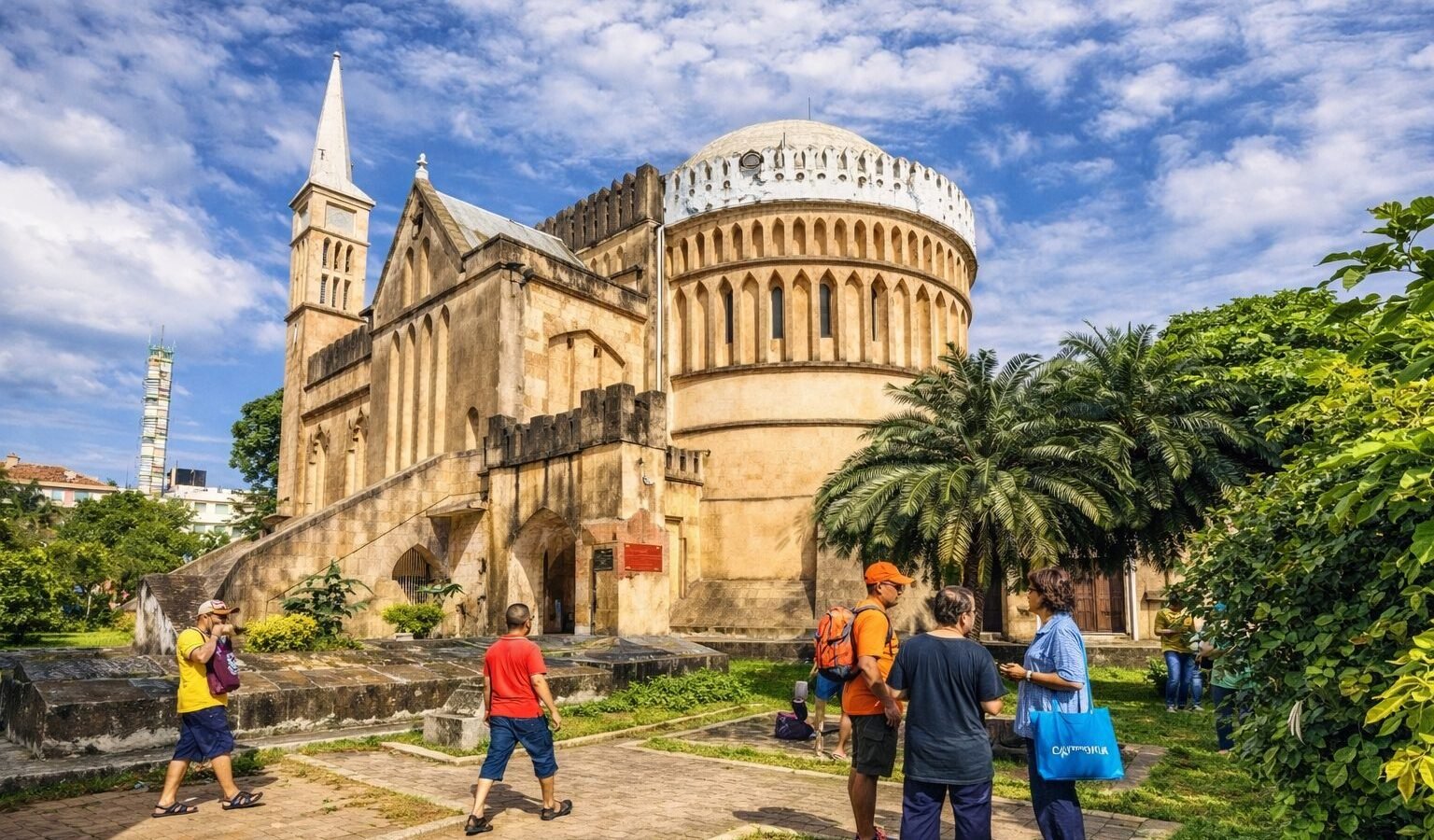
Stone Town is the old quarter of Zanzibar City and the cultural centre of the archipelago. Built from coral stone through the 19th and 20th centuries, it was inscribed as a UNESCO World Heritage Site in 2000 for the way Swahili, Arab, Indian and European building traditions sit together in one place.
The lanes are too narrow for cars, so the town is walked rather than driven. Within a few minutes you pass mosques, an Anglican cathedral built on the site of the former slave market, Hindu temples, the Old Fort, the House of Wonders and the seafront palaces of the Omani sultans. Darajani market runs all day, selling fish, fruit, spice and everything else the town needs.
Stone Town is also where the island’s stories live. Princess Salme grew up in the Sultan’s palace before leaving for Germany and writing her memoirs. Farrokh Bulsara was born a few streets away and became Freddie Mercury. The Swahili taarab singer Bi Kidude performed here into her nineties.
The town is not a beach destination. Most visitors stay one or two nights at the start or end of a trip, or come in for a day from the coast. Either works.
What makes it special
Stone Town is the only place in East Africa where a complete Swahili trading town survives intact. The carved doors, the coral rag walls and the lanes have barely changed in a century, and people still live and work in them. It is a living quarter rather than a preserved museum.
Best time to visit
June to October is dry, breezy and comfortable for walking.
December to February is hot and humid but bright, and is high season.
March to May brings the long rains, when the town is quiet and prices soften.
Ramadan changes the rhythm of the town. Many restaurants close during daylight and the evenings come alive after sunset. Dates move each year.
Where to stay
Stone Town has boutique hotels in restored merchant houses, a handful of larger seafront properties and simple guesthouses in the lanes. Rooftop terraces are the thing to ask for. We book accommodation across every category and will match the property to your budget.
How to get there
Stone Town is about fifteen minutes by road from Abeid Amani Karume International Airport and is the arrival point for the ferry from Dar es Salaam. We meet every flight and ferry with a name board and a fixed price agreed in advance.
Things to do
- Take a guided walking tour of the old town and the former slave market
- Watch the sun set from the Forodhani Gardens seafront
- Eat at the Forodhani night food market
- Wander Darajani market in the morning
- Photograph the carved Zanzibari and Indian doors
- Take a boat to Prison Island or Nakupenda Sandbank
- Join a Swahili cooking class
- Browse the craft and antique shops in the lanes
Nearby
- Prison Island, 30 minutes by boat
- Nakupenda Sandbank, 45 minutes by boat
- The spice farms, 30 minutes by road
- Jozani Chwaka Bay National Park, 1 hour by road
- Mangapwani slave chambers, 45 minutes by road
Frequently asked questions
Is Stone Town walkable?
Entirely. The lanes are too narrow for cars, so everything in the old town is reached on foot. The surfaces are uneven coral stone, so flat shoes help.
What should I wear?
Clothing covering the shoulders and knees. Stone Town is a residential quarter of a predominantly Muslim island, and beachwear is out of place away from the hotels.
How many nights are worth staying?
One or two. Most visitors combine a night here at the start or end of a beach stay, or come in for a day tour from the coast.
Is it easy to get lost?
Yes, and pleasantly so. The lanes are a maze. A guide is worth having on your first walk.
You might also like
Related experiences
Culture and history
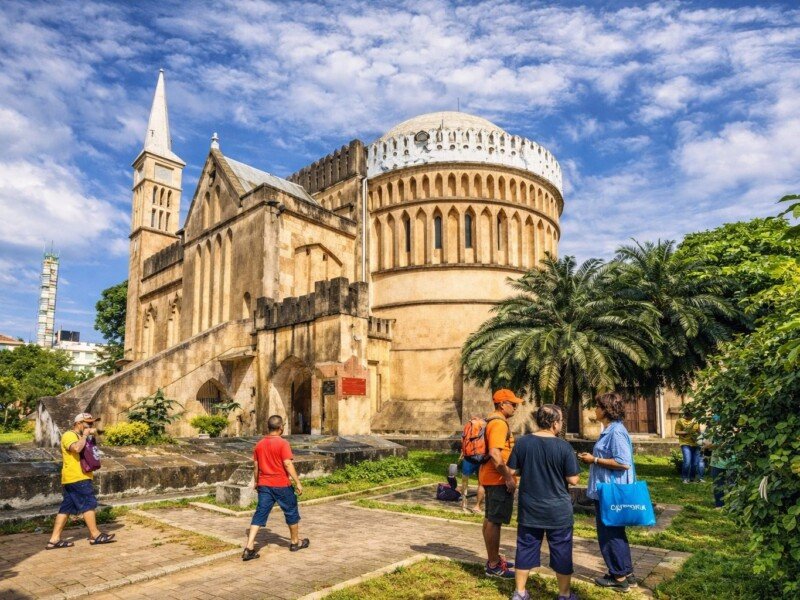
Stone Town Historical Tour
A half-day guided walk through the coral stone lanes of a UNESCO World Heritage Site, taking in the old slave market, the…
Beach and ocean
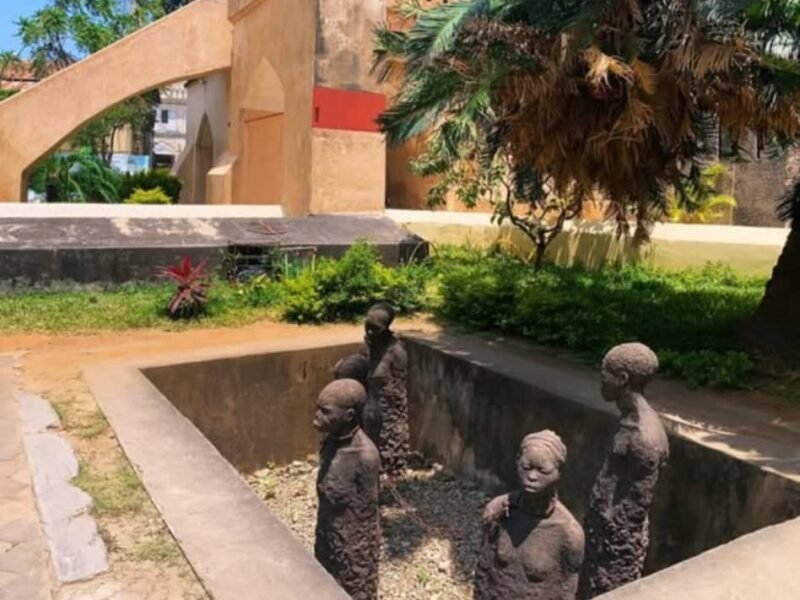
Stone Town and Prison Island
The UNESCO old town in the morning and Changuu Island in the afternoon: giant tortoises, prison ruins and a swim before the…
Beach and ocean
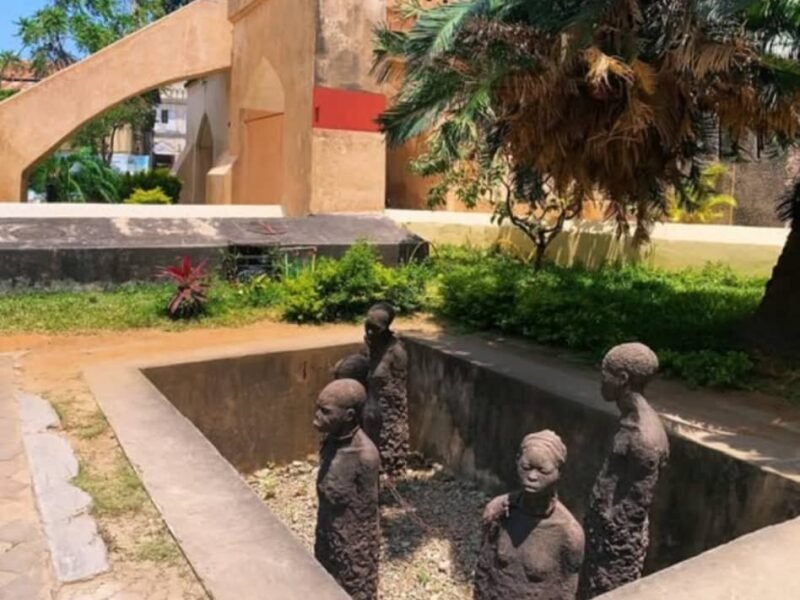
Stone Town and Dhow Sunset Cruise
The old town in the afternoon, a dhow at sunset, and Forodhani night food market to finish. The best evening in Zanzibar.